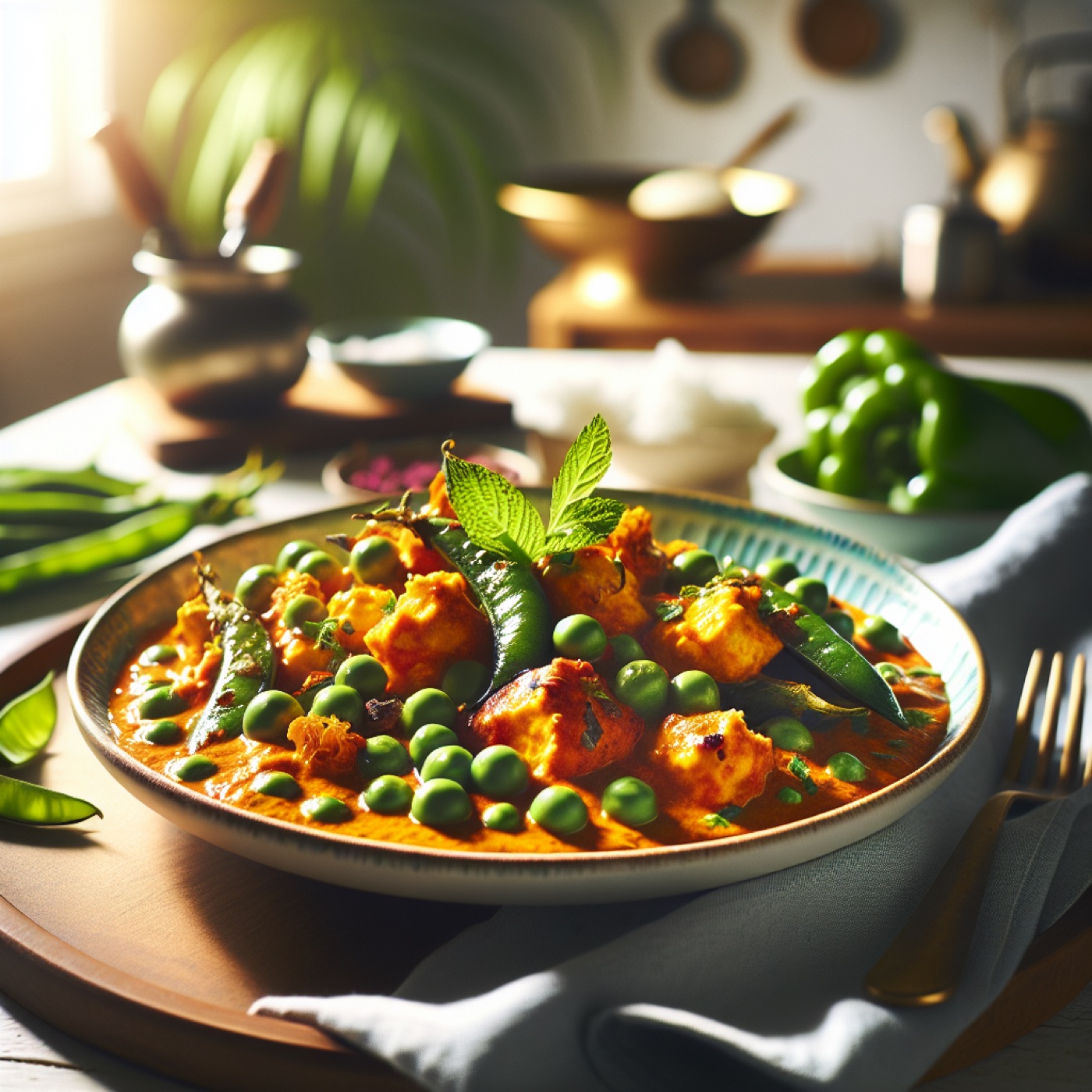
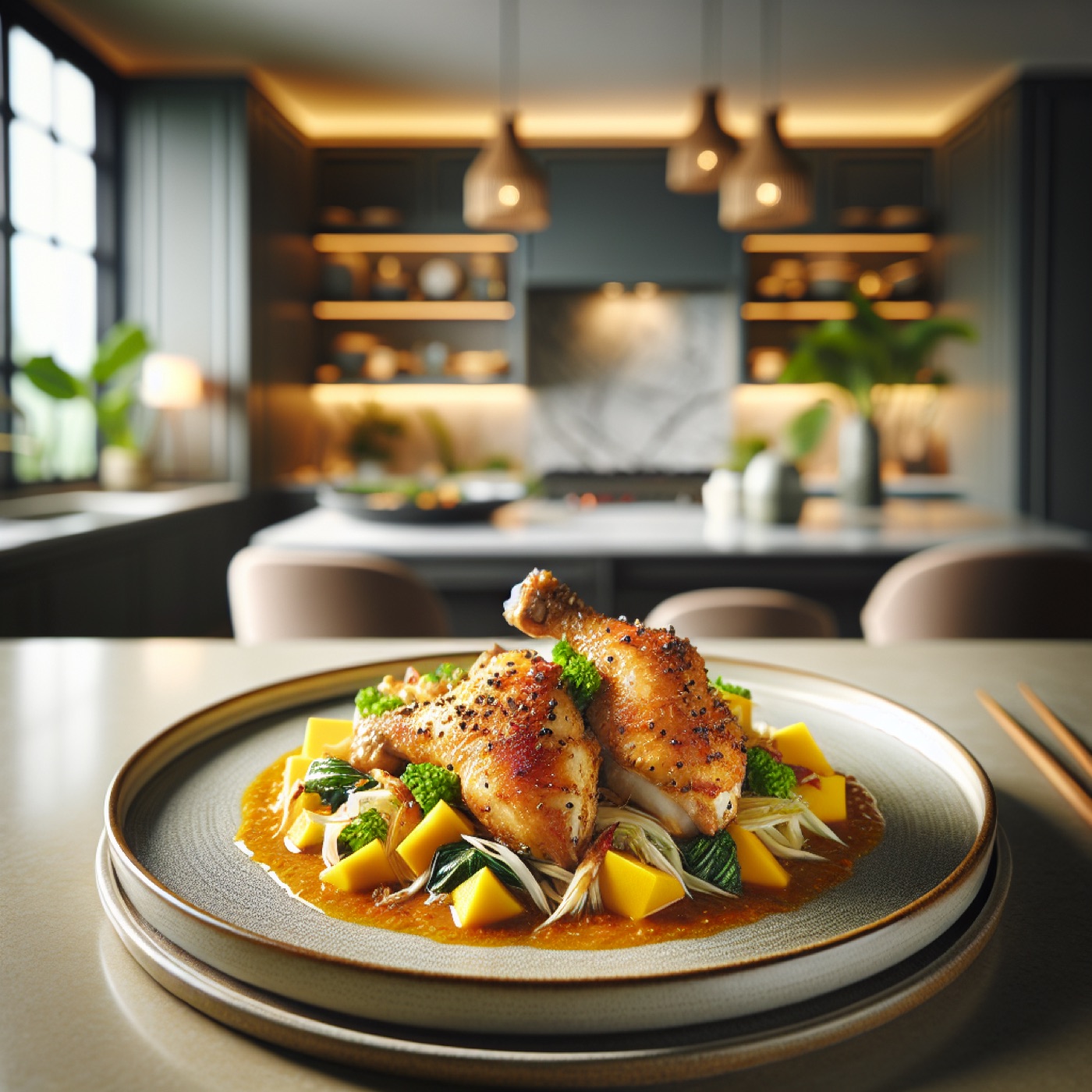
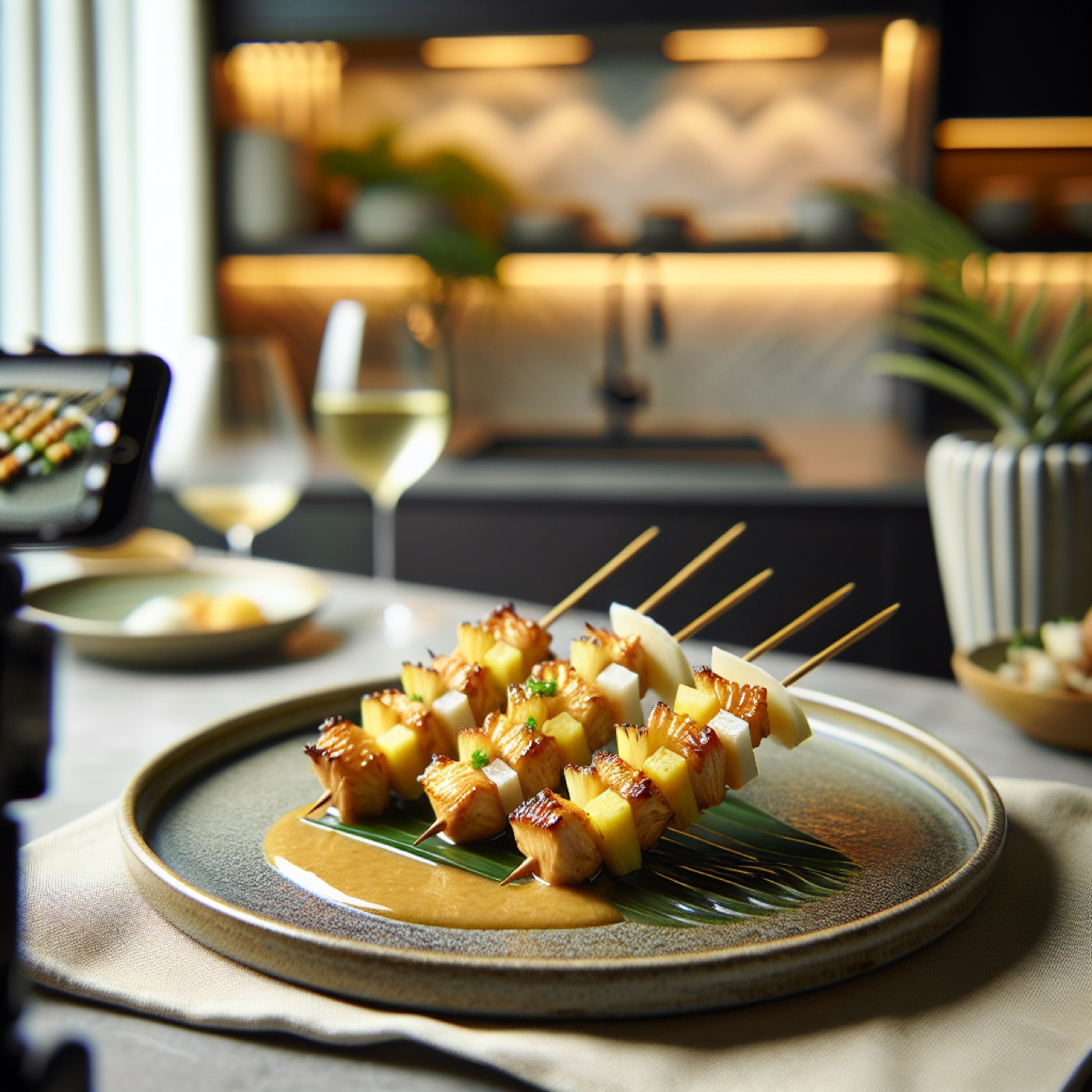
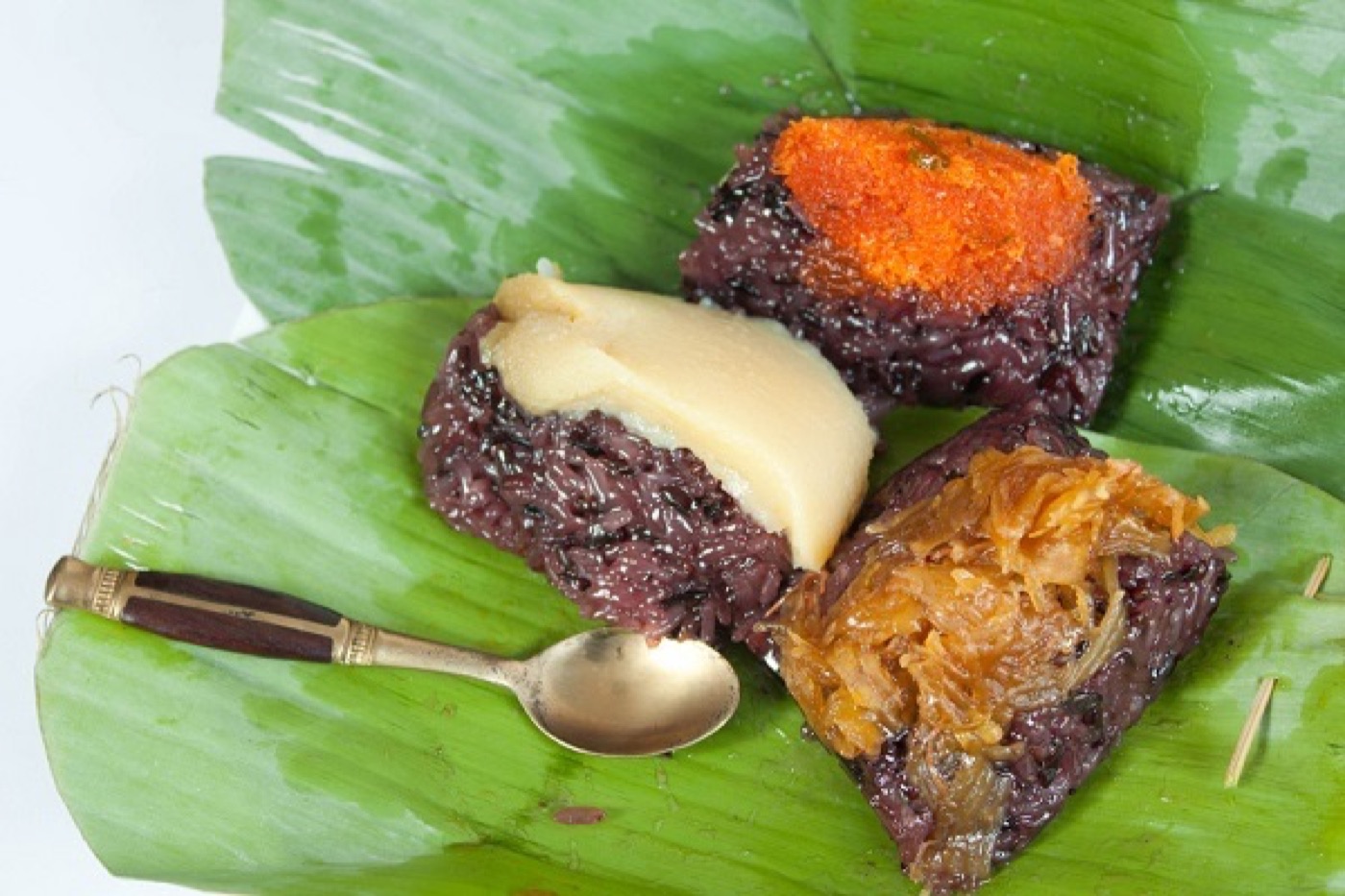
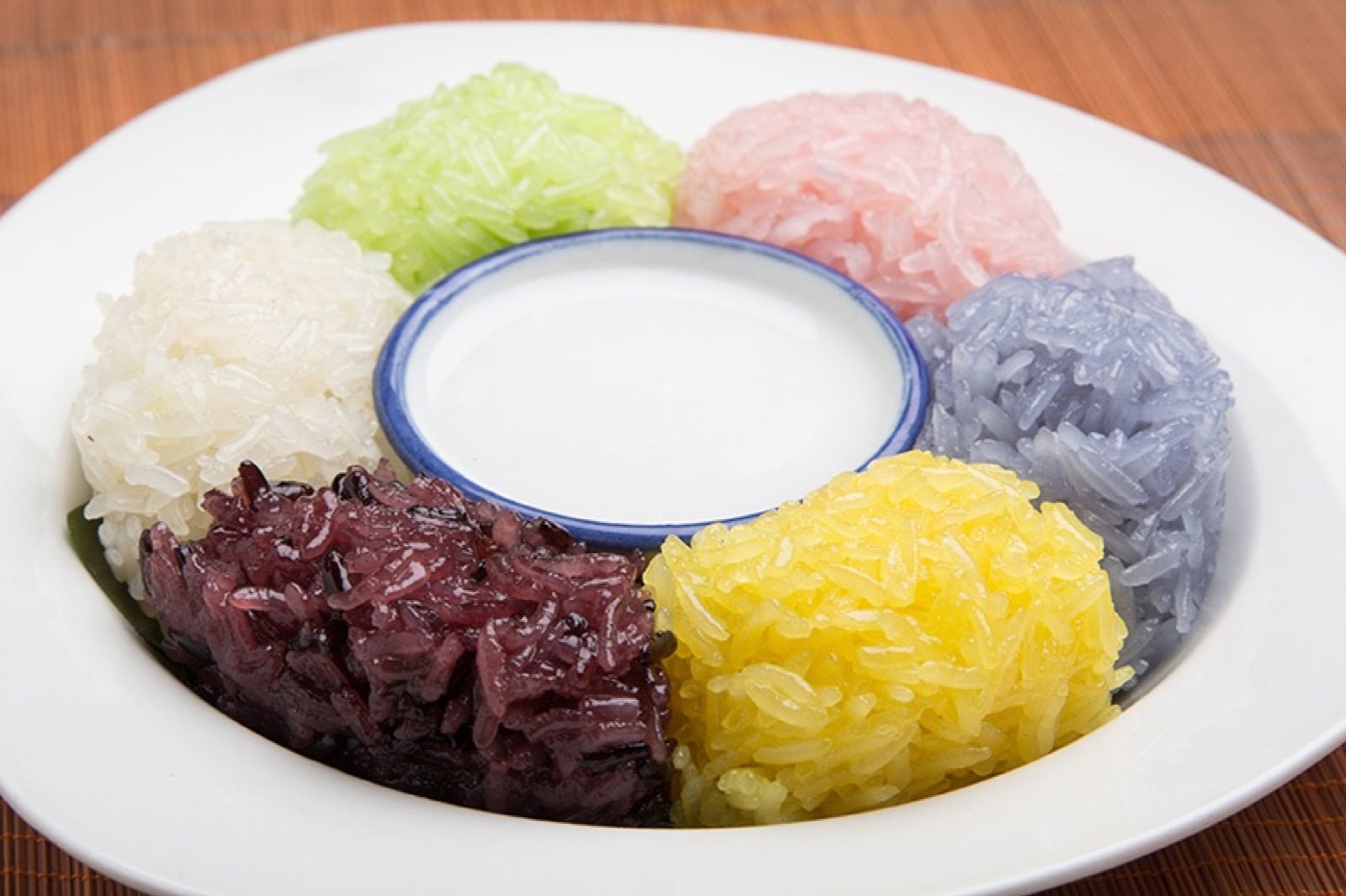
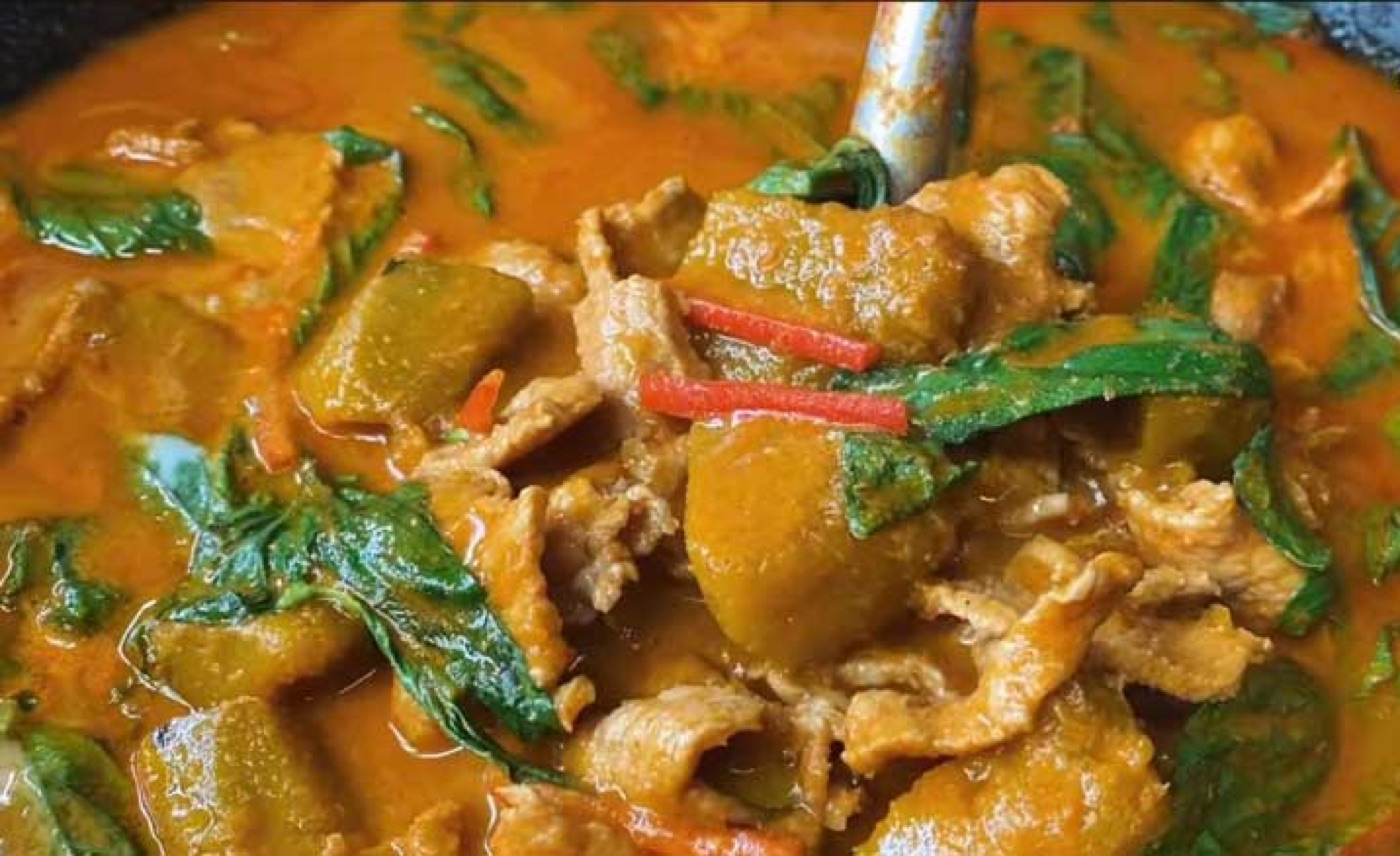
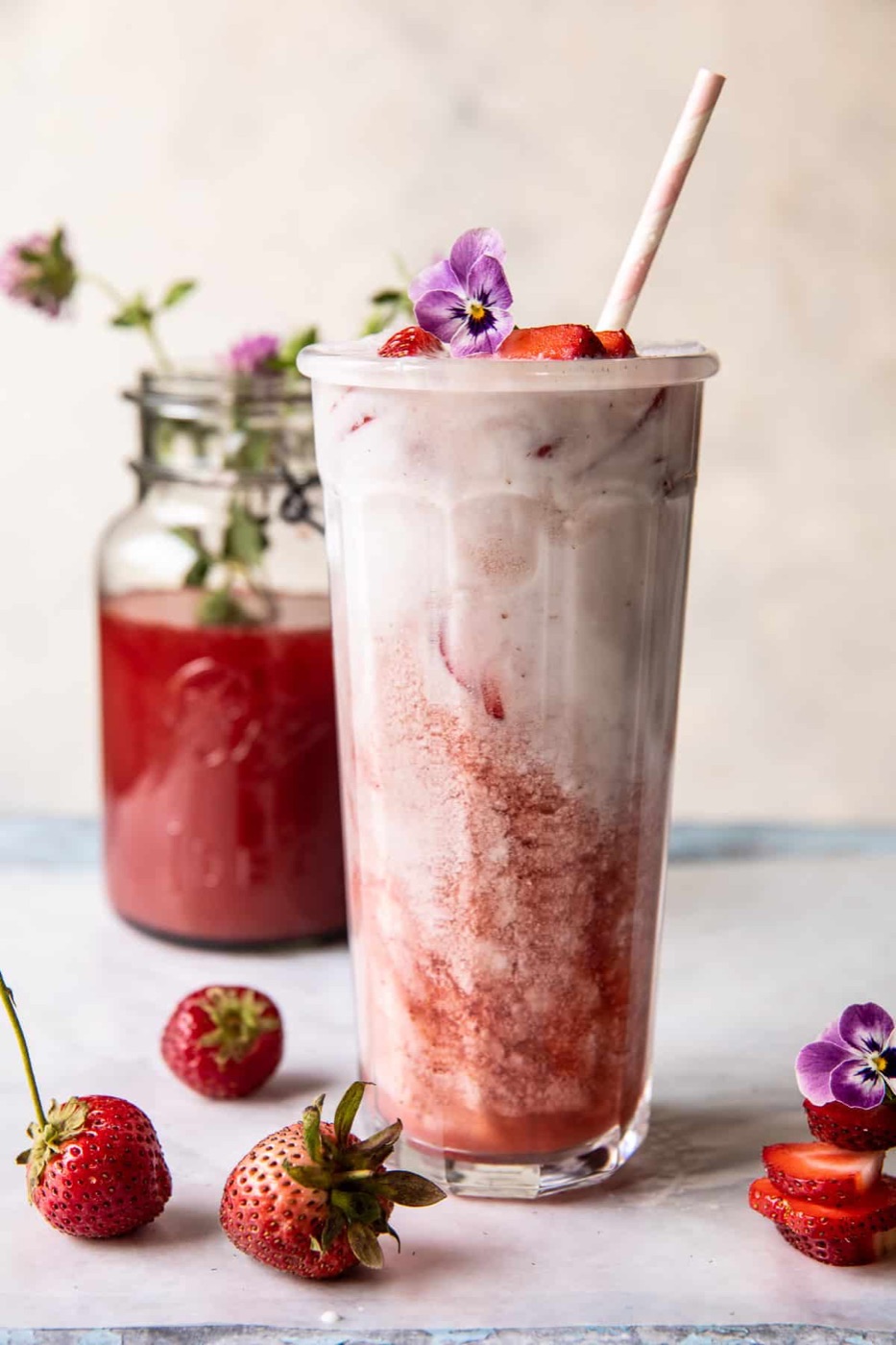
Coconut milk is made by soaking grated mature coconut flesh in hot water and pressing it; it is rich, faintly sweet and nutty, not the clear water from inside a young coconut. Coconut cream is the same thing with less water, so it is thicker and about twice as fatty. It is the base of Thai green and red curries, tom kha, Malaysian rendang and laksa, Vietnamese chè, Indian coconut fish curry and countless desserts and drinks.
How to buy
Buy full-fat canned coconut milk (17–22% fat) for curries and desserts; light coconut milk is mostly water and will not thicken or split for a curry. Check the label for as few ingredients as possible—coconut and water, at most a little guar gum. Aroy-D, Chaokoh and Mae Ploy (the latter labeled cream) are reliable Thai brands sold at Asian grocers and on Amazon; in US supermarkets, Thai Kitchen and Trader Joe's full-fat are fine, and in the UK Biona or Blue Dragon. Avoid the carton 'coconut milk beverage' in the dairy aisle for cooking: it is thin, sweetened and often fortified.
How to store
Unopened cans keep 2–3 years in the pantry. Once opened, pour leftovers into a jar and refrigerate for up to 4 days, or freeze in ice-cube trays for 3 months (it separates a little when thawed but is fine for cooking). Discard it if it smells sour, tastes tangy or shows pink or gray patches. A thick solid layer on top of an unopened can is just cream, not spoilage.
Substitutes
- Coconut cream diluted with water: 2 parts cream to 1 part water for 1:1 coconut milk. Nothing is lost; this is what most Thai cooks do.
- Coconut milk powder: 4 tablespoons whisked into 1 cup hot water. Slightly less body and a faint cooked taste, but no leftovers.
- Heavy cream or cashew cream: 1:1 in curries and soups. Rich but without coconut aroma; add a pinch of sugar and a squeeze of lime to compensate.
- Evaporated milk: 1:1 in desserts and sweet drinks only. Dairy-forward and more caramel-like; it curdles in acidic soups.
How to use
Shake the can before opening for soups, but do not shake it for a curry: spoon off the thick cream, fry it in a hot pan with the curry paste until the oil beads and separates ('cracking'), then add the thin milk and the rest. That step is what gives restaurant curries their sheen and aroma. Keep the heat moderate afterward—hard boiling can make light or additive-free coconut milk go grainy. A 400 ml can serves two to three people in a curry; finish with fish sauce and palm sugar rather than salt.
By Mia Ko · Updated